CSQCD2026
Venue
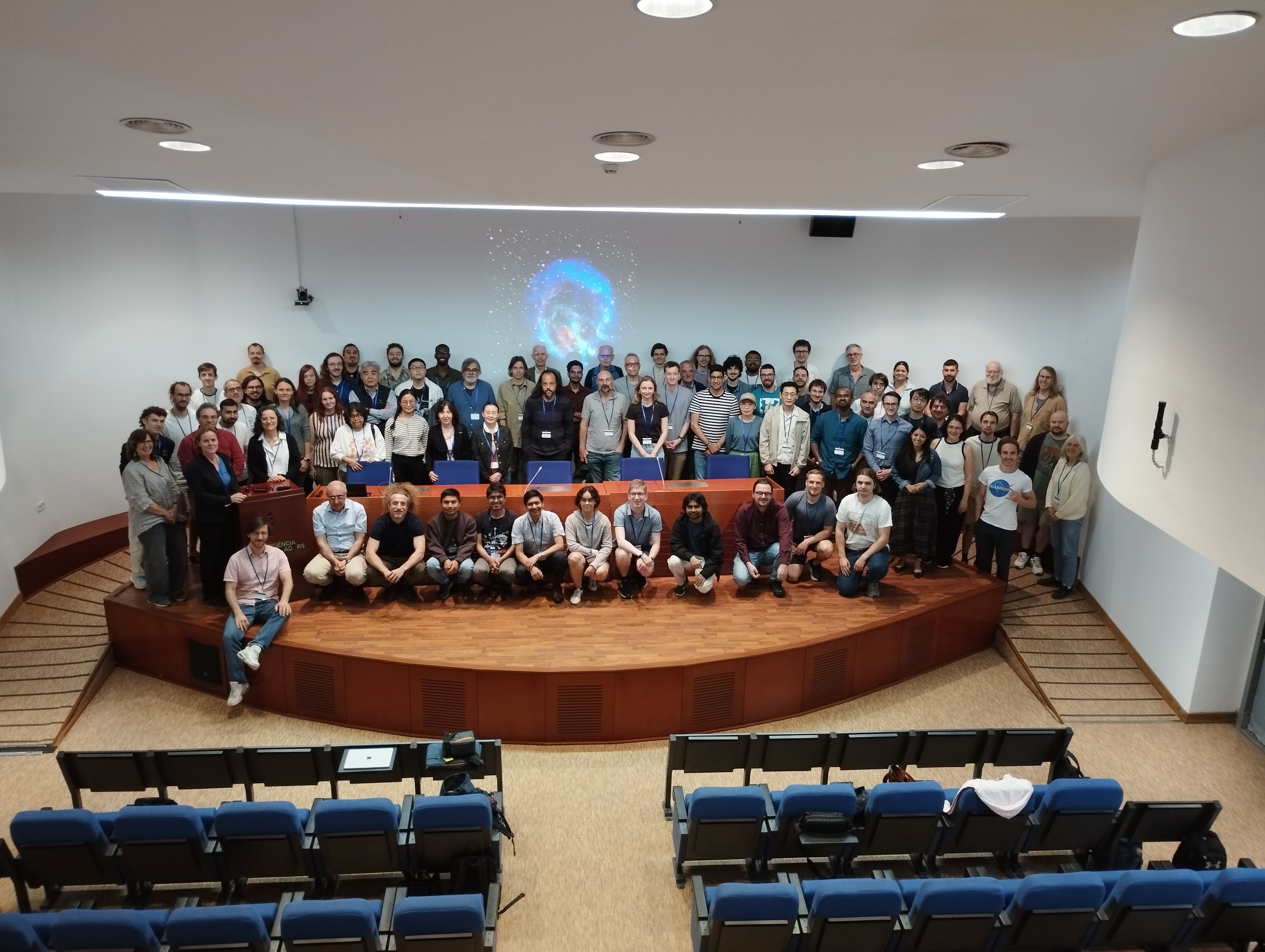
Thank you for a successful conference! See you all in two years!

The 11th entry in the conference series Compact Stars in the QCD phase diagram (website) will take place in Barcelona (18 May -- 23 May 2026)
The scope of the workshop is:
- Neutron stars and related phenomena (structure of neutron stars and equations of state, supernovae and neutrinos)
- QCD phase diagram, the intermediate domain between nuclear and quark matter
- Heavy-ion collisions and hadron spectroscopy for hadron structures and interactions
- Numerical experiments for QCD-like theories
The talks will take place on 19.5. -- 23.5., with the first day of the workshop (18.5.) being a school aimed at students and young postdocs.
Important numbers
Call for abstracts 1.11.2025 -- 15.1.2026
Registration 1.11.2025 -- 31.3.2026
School 18.5.2026
Workshop 19.5.2026 -- 23.5.2026
Participation fee 200€ (includes the conference dinner).
Contact information
The local organisers can be reached at csqcdscience76 (at) gmail (dot) com for scientific matters.
For administrative matters please contact csqcd2026 (at) ieec (dot) cat instead.
NOTE: We have been made aware that unprompted emails are being sent out to some participants regarding hotel bookings for the conference. We as the organisers are not sending such emails. Please be aware of this and consider them spam.

Adamu Issifu
Afonso Ávila
Aleksi Vuorinen
Alexander Clevinger
ANG LI
Angels Ramos
Arijit Das
Aritra Bandyopadhyay
Armen Sedrakian
Arnau Rios Huguet
Bao-An Li
Bruna Vallin Simão
Carline Biesdorf
Christoph Gärtlein
Constança Providência
Cristian Villavicencio
Cristina Manuel
Daniel Pęcak
Dhrubajyoti Rakshit
Dyana Duarte
Elia Bertuccelli
Gargi Chaudhuri
Giuseppe Rivieccio
Harish Chandra Das
Helei Liu
Isaac Vidaña
Ishfaq Ahmad Rather
James Lattimer
Jan-Erik Christian
Jean-Loic Kneur
Jens Oluf Anderssen
Jingdong Shao
Jorge Ernesto Horvath
José Luis Hernández
Jürgen Schaffner-Bielich
Laura Tolos
Leon Sandbote
Liam Brodie
Luca Passarella
Mark Alford
Massimo Mannarelli
Mateus Reinke Pelicer
Mathias Pavely Nødtvedt
Maximilian Delto
Michel Tytgat
Mirco Guerrini
Olavi Kiuru
Oleg Komoltsev
Pep Covas Vidal
Prashant Thakur
Probit Jyoti Kalita
Rachid Ouyed
Rafael Pacheco Cardoso
Ricardo Luciano Sonego Farias
Risto Paatelainen
robert pisarski
Sarah Louisa Pitz
Selina Kunkel
Shuhei MINATO
Sofia Blomqvist
Sosina Desu Sisay
Suman Pal
Suprovo Ghosh
Tyler Gorda
Violetta Sagun
William Tavares
Yong Gao
Yongjia Huang
Zebin Qiu
- +29
-
-
1
Lecture — Introduction to neutron star physics
Neutron stars are the ultimate probe of dense matter physics under cold conditions not achievable in the laboratory. They represent extremes in terms of density, pressure, temperature, magnetic field and spin rate. The lecture will describe the interior structure of neutron stars and establish general limits to their properties from causality, general relativity and nuclear physics. It will also explore how observations of neutron stars in radio, optical, X-ray, gamma-rays and gravitational waves have set constraints that have dramatic implications for nuclear physics.
Speaker: James Lattimer (Stony Brook University) -
10:15
Coffee Break
-
2
Lecture — Introduction to the Thermal Evolution of neutron stars: Theory and Simulation
The thermal evolution of neutron stars provides a uniquely sensitive probe of the microphysics of ultra‑dense matter, from nucleonic interactions and superfluidity to the possible emergence of exotic degrees of freedom such as hyperons, deconfined quarks, or dark-sector cooling channels. This lecture will survey the theoretical foundations of neutron‑star cooling, beginning with the structure of the stellar interior, the thermal conductivity and the dominant neutrino‑emission processes that regulate early-time evolution. I will discuss the role of superfluid and superconducting phases, the role of the crust. We will discuss the fundamental role of magnetic‑fields effects, which makes the conductivity anisotropic and enlarge the cooling timescales, making highly magnetised neutron stars X-ray bright and active for longer. I will also present some keynotes on recent state‑of‑the‑art numerical simulations, including modern microphysical inputs, envelope models and magnetic fields. By comparing simulated cooling curves with observations of isolated neutron stars, we will examine current constraints on the equation of state and the composition of dense matter.
Speaker: Daniele Vigano -
3
Lecture — Superfluidity in neutron stars
We discuss some properties of superfluids that could be relevant for the evolution of compact stars.
Superfluids emerge in many different systems and can be produced and accurately studied in laboratory.
We will discuss how some of the results recently obtained in laboratory could be employed to better understand the interior of compact stars.
Of particular interest are inhomogeneous superfluid phases, which could emerge within the inner crust of neutron stars and could be emulated employing dipolar ultracold atoms.Speaker: Massimo Mannarelli -
13:15
Lunch Break
-
4
Lecture — Introduction to thermal field theory
A one-hour crash course on QFT at finite density and temperature with the aim to help the students understand basic methods of computing quantities such as the pressure in the finite-density (and also finite-temperature) background necessary for understanding neutron stars (and their collisions), as well as the complications that arise due to the presence of soft scales. Focus on computational tools in the imaginary-time formalism.
Speaker: Saga Säppi (Institute of Space Sciences (ICE-CSIC)) -
16:15
Coffee Break
-
5
Lecture --- Dense matter and a hands on section on the MUSES cyberinfrastructure
This lecture will introduce the basic physics of dense nuclear matter and its role in neutron stars. Emphasis will be placed on the equation of state, matter composition, and thermodynamic properties relevant for astrophysical applications. The lecture will also include a hands-on introduction to the MUSES cyberinfrastructure, where participants will learn how to generate and analyze equation-of-state tables and explore dense-matter models in practice.
Speaker: Mateus Pelicer
-
1
-
-
6
Neutron Stars as Continuous Gravitational Wave Sources: Status and Perspectives
The detection of gravitational waves has revolutionized astrophysics, offering a novel means to study phenomena that were previously beyond observational reach. This talk will provide a concise overview of current and future gravitational-wave sources, with a specific focus on individual compact remnants, in particular neutron stars formed in core-collapse supernovae and the remnants of binary mergers involving at least one neutron star.
I will summarise the main models of gravitational-wave emission expected from these systems, including accreting neutron stars, describing both the standard continuous-wave scenario and the so-called long-transient regime. Recent results will be discussed, highlighting the potential of gravitational-wave measurements to probe the interior structure of these objects and to serve as laboratories for fundamental physics under extreme conditions.
Speaker: Dr Ornella Juliana Piccinni (University of the Balearic Islands) -
7
Continuous gravitational waves from unknown neutron stars in binary systems
Unknown neutron stars in binary systems might be one of the best sources of continuous gravitational waves (yet to be detected), due to their millisecond rotation rates, the accretion from their companion which can source the required asymmetry, and the vast unexplored parameter space. In this talk we will present the latest search results and will explain which neutron star parameters might be constrained with a future detection.
Speaker: Pep Covas Vidal (University of the Balearic Islands) -
8
The mode-sum approach to dynamical neutron-star tides: The multi-faceted impact of dissipation
Next-generation gravitational-wave detectors are expected to constrain the unknown neutron star equation-of-state from static and dynamical tides in binary neutron star inspirals. Although, the impact of dissipation on the tides are generally considered negligible while modeling the inspiral of binary neutron stars, recent studies shows that fluid dissipation from bulk viscosity of exotic phases(e.g. hyperons and deconfined quark matter) can be significant enough to be detectable using the next generation gravitational wave detectors. As a step towards developing realistic waveform models, we incorporate dissipation from both gravitational radiation reaction and fluid viscosity in the tidal response of a neutron star as a sum of contributions associated with the star’s free oscillation modes. We compute the effective love number incorporating dissipation and the expected ‘tidal lag’ between the induced quadrupole and the external tidal field. We also determine the expected energy loss to heat from fluid dissipation and its impact on the orbital evolution. Finally, based on scaling relations of fluid viscosity with orbital frequency we argue whether fluid dissipation can dominate over gravitational radiation reaction and have detectable impact on the gravitational waveform.
Speaker: SUPROVO GHOSH (University of Southampton) -
10:40
Coffee Break
-
9
Probing the Equation of State and Magnetization of Neutron Star Cores with Superluminous Supernovae
I show that the delayed formation of a hybrid star can account for the unique properties of double-peaked superluminous supernovae (SLSNe). The results indicate that SLSNe can serve as probes of neutron star core physics, offering complementary constraints on the dense-matter equation of state and core magnetization through their light curves and spectra. This framework opens a new avenue for using double-peaked SLSNe to investigate the internal properties of neutron stars.
Speaker: Rachid Ouyed (University of Calgary) -
10
Ab initio finite-temperature effects for neutron star binary simulations
In this talk, I will discuss the predicition of finite temperature effects in dense matter from first principles. I will first discuss a simple, data-driven approach, the virial expansion, which allows for predictions of thermal properties across a wide range of densities and temperatures [1]. I will then discuss extensions to higher density with the Self-Consistent Green's Functions approach [2], possibly discussing superfluid extensions [3].
[1] G. Rivieccio, A. Nadal-Matosas, A. Rios and M. Ruiz,, ApJ 987, 67 (2025).
[2] A. Rios, Front. Phys. 8 387 (2020).
[3] M. Drissi, A. Rios and C. Barbieri, Ann. Phys. 469, 169730 (2024) & Ann. Phys. 469, 169729 (2024).Speaker: Arnau Rios (ICC - UB) -
11
Quasi-Universal Relations for $f$-Mode Oscillations in Compact Stars
Gravitational wave astronomy provides a vital tool for probing extreme matter. This study investigates $f$-mode oscillations of cold, catalyzed Neutron stars as well as protoneutron stars with different evolutionary phases. We analyze the collective impact of nucleons, hyperons, phase transition to the quark matter, and dark matter admixtures on these oscillations employing full General Relativistic formalism.
The primary focus lies on the quasi-universal relations connecting $f$-modes to bulk stellar properties. Our results demonstrate that these relations remain robust across stars with hyperonic cores, quark matter, and dark matter, as well as in the specific conditions of proto-neutron stars. While the relations exhibit some model dependence, their stability across such diverse physical scenarios highlights their potential for constraining stellar properties from future gravitational wave detections.References:
[1] I. A. Rather, K. D. Marquez, P. Thakur, and O. Lourenco, Phys. Rev. D 112, 023013 (2025).
[2] P. Thakur, I. A. Rather, and Y. Lim, Phys. Rev. D 112, 043017 (2025).
[3] P. Thakur, A. Issifu, I. A. Rather, Y. Lim, and T. Frederico, arXiv:2505.24104 (2025).Speaker: Ishfaq Ahmad Rather (ITP, Goethe University) -
12
The role of isospin asymmetry in the onset of quark matter
In contrast to symmetric nuclear matter, which has been extensively studied in laboratory experiments, the matter inside neutron stars is highly isospin-asymmetric. We investigate the properties of strongly interacting matter under both symmetric and neutron star-like conditions to determine how electric charge neutrality and beta equilibrium influence the emergence of quark matter. In particular, we establish a relation between the quark onset density in electrically neutral, beta-equilibrated matter and that in symmetric matter. This relation is demonstrated across a broad class of hybrid equations of state and reveals a significant reduction in the quark onset density in highly asymmetric regimes. These findings are further tested through Bayesian analyses of astrophysical measurements, underscoring their relevance for dense matter. A direct consequence of our finding is that a lower-limit constraint on the deconfinement transition in symmetric nuclear matter may imply that this transition could occur in neutron stars at densities even below nuclear saturation density. This study is of significant importance to both the heavy-ion collision and neutron star communities.
Speaker: Violetta Sagun (University of Southampton) -
12:50
Lunch Break
-
13
Binary neutron Star Merger as a Probe of Hadron-Quark Transition
Multi-messenger observations—from NICER radius measurements and GW170817 tidal constraints to theoretical bounds from chiral EFT and perturbative QCD—have significantly narrowed the space of neutron star equation of state (EOS). These advances increasingly favor a non-monotonic sound speed, hinting at exotic phases like quark matter in massive neutron star cores. However, due to the "masquerade effect," static properties alone struggle to distinguish between a smooth crossover and a sharp phase transition.
In this talk, I will discuss how binary neutron star mergers may serve as a dynamical probe of this transition. Using general-relativistic simulations with a quark-hadron crossover EOS, we find that the post-merger remnant is systematically less compact than in purely hadronic models, producing a lower peak gravitational-wave frequency, f2. This signature differs from that in strong first-order phase transitions. Our results suggest that post-merger gravitational-wave signals could help distinguish between different high-density transition scenarios, serving as a complement to static neutron star measurements.
Speaker: Yongjia Huang -
14
Relativistic Navier-Stokes for the quark-gluon plasma and neutron star mergers
Relativistic theories of dissipative fluids have long been known to suffer from pathologies. In recent years, a novel consistent formulation has been proposed: a well-posed and causal version of the relativistic Navier-Stokes equations. This theory provides a promising alternative to existing approaches and represents a key development in the foundations of relativistic hydrodynamics. We will introduce this emergent framework, motivate its application in addressing state-of-the-art challenges, and present progress in numerical implementations. In particular, we will report on its success in describing experimental data from heavy-ion collisions at the LHC, providing a proof of principle that it offers a viable solution to the causality issues found in current models. We will also discuss ongoing work towards the simulations of viscous neutron star mergers.
Speaker: Yago Bea Besada (Universidad de Vigo) -
15
Megahertz Gravitational Waves from Neutron Star Mergers
Neutron star mergers provide a unique laboratory for the study of strong-field gravity coupled to quantum chromodynamics in extreme conditions. The frequencies and amplitudes of the resulting gravitational waves encode invaluable information about the merger. Simulations to date have shown that these frequencies lie in the kilohertz range. They have also shown that, if quantum chromodynamics possesses a first-order phase transition at high baryon density, then this is likely to be accessed during the merger dynamics. Here, we show that this would result in the nucleation of superheated and/or supercompressed bubbles whose subsequent dynamics would produce gravitational waves in the megahertz range. We estimate the amplitude of this signal and compare it to the sensitivity of planned future detectors.
Speaker: Jorge Casalderrey Solana -
16
Probing the Finite-Temperature Neutron Star Equation of State with Post-Merger Gravitational Waves
The post-merger phase of binary neutron star (BNS) mergers provides a unique opportunity to probe the equation of state (EOS) of dense matter at finite temperatures and out-of-equilibrium conditions. While current EOS constraints are dominated by cold inspiral signals, the hot and turbulent post-merger remnant encodes additional microphysics that remains unexplored. In this talk, I will present results from full general-relativistic smoothed particle hydrodynamics simulations with SPHINCS_BSSN, implementing parametric models of the thermal EOS. I will show how variations in the thermal sector subtly but detectably alter the post-merger gravitational-wave spectrum and late-time thermal profiles. These effects, potentially observable with third-generation detectors such as Cosmic Explorer and Einstein Telescope, open a new window into constraining dense matter physics beyond the cold EOS.
Speaker: Bhaskar Biswas (Hamburg University) -
16:35
Coffee Break
-
17
Recurring regions for neutron-star observables
I will report on a novel, somewhat analytical way to produce equations of state (EOSs) that generate particular values of neutron star mass, radius, and tidal deformability. This is possible because our description for the EoS of dense matter can produce recurring regions, small areas where several EoSs cross in the mass-radius and mass-tidal deformability diagrams. We can place recurring regions in desired locations of these diagrams, corresponding e.g., to a given observation. Our prescription is versatile, in the sense that different microscopic models can be used for the low density hadronic phase and high density quark phase, as long as they are connected by a percolation, a description that mimics quark deconfinement and is motivated by QCD. The several EoSs that pass by a recurring region can present different thresholds for the boundaries of the percolation region (different beginning and ending for the quark deconfinement region), as well as different orders for the phase transition at the boundaries. When combining all these features, our prescription allows one not only to produce an EoS that matches an observation, but also one that matches specific chosen criteria for the EoS. The EoSs produced by this new method will be specially suitable for the study of dense-matter properties in future gravitational-wave observations, when both the inspiral and post-merger phase signals will become available. Our numerical code that calculates recurring regions using CompOSE microscopic EoSs is open source and publicly available
Speaker: Alexander Clevinger (Kent State University) -
18
Measure the moment of inertia and ellipticity of neutron stars with gravitational waves
We identify a previously unrecognized spin–orbit resonance that can naturally arise in neutron star binaries. This resonance provides a new and direct probe of neutron star ellipticity, enabled by finite stellar quadrupole moments such as those produced by strong internal magnetic fields. We show that the resonance produces a distinctive and measurable gravitational-wave phase shift, allowing precise measurement of the neutron star’s ellipticity and moment of inertia.
We further conduct the first ellipticity search across the entire gravitational-wave catalog up to O4a, finding no detections but establishing the framework for future constraints. We demonstrate that detecting this resonance would have significant implications for both astrophysics and fundamental physics, including the internal structure of neutron stars, the prevalence of magnetars in binaries, and tests of strong-field gravity.Speaker: Zhiqiang Miao -
19
Can all the observed neutron stars contain color-superconducting quark cores?
The possibility of quark deconfinement in the interiors of neutron stars is investigated within the physics-informed Bayesian analysis of the observational data on neutron stars, which allows for distinguishing between the scenarios with quark cores and without them [1]. For this the recently proposed three-flavor nonlocal NJL model of quark matter with the scalar attractive, vector repulsive and diquark pairing interaction channels is used to construct a large set of asymptotically conformal hybrid quark-hadron equations of state with CFL color superconductivity [2]. Independent of the analyzed set of observational data the most probable hybrid equations of state are statistically preferred over the purely hadronic baseline on the level of one-two orders of magnitude. This suggests that quark cores may exist in all observed neutron stars with the most probable onset density below 1.5 saturation densities and the onset mass well below one solar mass. Such small values are explained using a simple model of quark confinement, which shows that the onset density of deconfinement strongly depends on isospin asymmetry: in symmetric matter it is at least three times larger than in neutron stars [3]. This answers the question why in neutron stars deconfinement occurs at rather small densities, while under the conditions of heavy ion collisions its traces are not reliably detected up to the highest densities of the proton flow data of Denielewicz et al. [4].
[1] A. Ayriyan, O. Ivanytskyi, D. Blaschke, arXiv:2509.02554 [nucl-th] (2025).
[2] O. Ivanytskyi, Phys.Rev.D 111, 3 (2025).
[3] P. Panasiuk, O. Ivanytskyi, V. Sagun, D. Blaschke, A. Ayriyan, inpreparation (2026).
[4] P. Danielewicz, R. Lacey and W. G. Lynch, Science 298, 1593 (2002).Speaker: Oleksii Ivanytskyi (University of Wroclaw)
-
6
-
-
20
First-order phase transitions in neutron stars
It has long been hypothesized that above nucleaer density there might be a first-order transition from dense nuclear matter to quark matter, and hence that sufficiently heavy neutron stars might have quark matter cores. I will discuss some of the observable signatures of such a transition, including features of the mass radius relation and of the dynamics of neutron star mergers.
Speaker: Mark Alford (Washington University in St. Louis) -
21
The case for very massive neutron stars
The quest for the maximum mass possibly achieved by a neutron star (NS) is an old venerable subject. 50+ years ago very low values were considered, mainly put forward from a theoretical point of view. The discovery of the binary pulsar PSR 1913+16, and later on, similar systems, allowed the determination of the mass with two or more decimal places, leading to the (now proved wrong) idea of a “canonical” value of $1.4 M_{\odot}$. However, progressively higher values were reported and confirmed. Today the consensus is that at least $2 M_{\odot}$ neutron star exist. Higher values are not only possible, but actually published by many authors. We shall discuss in this presentation how the existing sample of 104 measured NS masses leads to infer a maximum mass of $\sim 2.5-2.6 M_{\odot}$, using Bayesian techniques with an without a cutoff (related to the very end of a theoretical sequence), and a few important individual cases which may indicate that the maximum mass may be well above the $2.2 M_{\odot}$ ballpark generally accepted. These cases include PSR J0952-0607, PSR J1748-2021B in NGC 6440, 4U 1820-30 and the GW events in which enigmatic low-mass members have been seen.
Speaker: Jorge Ernesto Horvath (IAG-USP, Brazil) -
22
Bayesian Inference of Neutron Star EOS from Future High-Precision Measurements of Their Radii
To more precisely constrain the Equation of State (EOS) of supradense neutron-rich nuclear matter, future high-precision X-ray and gravitational wave observatories are proposed to measure the radii of neutron stars (NSs) with an accuracy better than about 0.1 km. However, it remains unclear which aspects of the EOS will be better constrained and by how much. In this talk, we address this issue based on our recent work [1,2,3] within a Bayesian framework using a meta-model EOS for NSs. In particular, we infer the posterior probability distributions (PDFs) of incompressibility and skewness of symmetric nuclear matter, as well as the slope, curvature, and skewness characterizing the density dependence of the nuclear symmetry energy, from high-precision mock radius data with accuracies ranging from about 1.0 km to 0.1 km. Effects of high-precision NS radius measurements on determining properties of the first-order hadron-quark phase transition and the formation of twin stars will also be discussed.
References
[1] Bayesian Inference of Hybrid Star Properties from Future High-Precision Measurements of Their Radii, Bao-An Li, Xavier Grundler, Wen-Jie Xie and Nai-Bo Zhang, ArXiV: 2505.00194, The Astrophysical Journal (2026) in press.[2] Bayesian quantification of observability and equation of state of twin stars, Xavier Grundler and Bao-An Li, Phys. Rev. D 112 (2025) 10, 103012
[3] Bayesian inference of fine features of the nuclear equation of state from future neutron star radius measurements to 0.1 km accuracy, Bao-An Li, Xavier Grundler, Wen-Jie Xie and Nai-Bo Zhang, Phys. Rev. D 110 (2024) 10, 103040
Speaker: Bao-An Li (East Texas A&M University) -
10:40
Coffee Break
-
23
Pion condensation in QCD. From chiral perturbation theory to weak coupling
In QCD at nonzero isospin chemical potential and zero baryon chemical potential, the Dirac determinant is manifestly real and the system does not suffer from the sign problem. Consequently, one can perform lattice simulations and study pion condensation non-perturbatively. For this reason, pion condensation is an ideal test bed for low-energy models and theories. In this talk, I will discuss chiral perturbation theory and the quark-meson model at finite isospin and zero baryon number. I compute the pion condensate, the quark condensate, and the speed of sound. The results are compared with lattice simulation over a large range of values for mu_I as well as weak-coupling calculations at large density. Our results are generally in good agreement.
Speaker: Jens Oluf Andersen (NTNU) -
24
Rotational effects in quark stars: comparing different models
This work presents the rotational properties of self-bound quark stars within general relativity using two representative quark matter equations of state: the vector MIT bag model and the density-dependent quark mass model. Uniformly rotating equilibrium sequences are constructed to explore their mass--radius relations, moments of inertia, quadrupole moments, surface redshifts, Keplerian frequencies, and rotational energy components. A key outcome of this work is a detailed decomposition of the stellar energy budget, explicitly separating gravitational, internal, rotational, and binding energy contributions in rotating quark stars. We find that rotation accentuates intrinsic differences between the equations of state: the MIT model supports more massive configurations ($M_{\max}\gtrsim 3.3\,M_\odot$) with larger moments of inertia and reduced deformability, whereas the DDQM model yields stars with larger radii that reach the mass-shedding limit at lower spin frequencies. We show that combined measurements of mass, radius, and spin frequency can break degeneracies between quark matter models, with massive, rapidly rotating pulsars favoring MIT-like equations of state, while larger radii in canonical-mass stars point to DDQM-like behavior. These rotational observables, increasingly accessible through \textit{NICER} observations and next-generation gravitational-wave detectors, provide a promising avenue to test the existence and properties of self-bound quark matter in compact stars.
Speaker: Adamu Issifu (Instituto Tecnologico de Aeronautica) -
25
Speed of Sound in Neutron Stars: Thermodynamic Structure and Implications for Dense Matter
Compact stars provide unique astrophysical laboratories for exploring the properties of dense nuclear matter. Observations of pulsars, together with recent gravitational-wave detections, have placed stringent constraints on the nuclear equation of state (EOS). Among various thermodynamic quantities, the speed of sound plays a central role in understanding the structure of neutron star and the behavior of matter at supranuclear densities.
In this work, we present a detailed investigation of the thermodynamic structure of the speed of sound and its decomposition in dense matter. We demonstrate that the curvature term of the speed of sound undergoes a sign change in purely hadronic EOSs, even in the absence of a phase transition or the system reaching the conformal limit. This behavior is directly connected to the maximum of the first derivative of the energy per particle. We further analyze the behavior of the trace anomaly and the polytropic index within the relativistic mean-field (RMF) framework, showing that the sign of the trace anomaly at high densities is sensitive to whether the EOS is stiff or soft.
We also investigate hadron–quark phase transitions using both Maxwell and Gibbs constructions and apply the speed-of-sound decomposition scheme to these scenarios. In particular, we explore the behavior of the average speed of sound in purely hadronic stars, quark stars, and hybrid stars, identifying characteristic signatures associated with the presence of a phase transition. Finally, we extend our analysis to finite-temperature phase transitions, highlighting their impact on the thermodynamic properties of dense matter.Speaker: Gargi Chaudhuri (Physics Group, Variable Energy Cyclotron Centre, 1/AF Bidhan Nagar, Kolkata 700064, India) -
26
Neutron Star Properties and Femtoscopic Constraints
We construct the equation of state of hypernuclear matter and study the structure of neutron stars employing
a chiral hyperon-nucleon interaction of the Julich–Bonn group tuned to femtoscopic ¨ Λp data of the ALICE Collaboration, and ΛΛ and ΞN interactions determined from lattice QCD calculations by the HAL QCD Collaboration that
reproduce the femtoscopic ΛΛ and Ξ
− p data. We employ the ab-initio microscopic Brueckner–Hartree–Fock theory
extended to the strange baryon sector. A special focus is put on the uncertainties of the hyperon interactions and how
they are effectively propagated to the composition, equation of state, mass-radius relation and tidal deformability of
neutron stars. To such end, we consider the uncertainty due to the experimental error of the femtoscopic Λp data used
to fix the chiral hyperon-nucleon interaction and the theoretical uncertainty, estimated from the residual cut-off dependence of this interaction. We find that the final maximum mass of a neutron star with hyperons is in the range 1.3 − 1.4
M⊙, in agreement with previous works. The hyperon puzzle, therefore, remains still an open issue if only two-body
hyperon-nucleon and hyperon-hyperon interactions are considered. Predictions for the tidal deformability of neutron
stars with hyperons are found to be in agreement with the observational constraints from the gravitational wave event
GW170817 in the mass range 1.1 − 1.3 M⊙.Speaker: Dr Isaac Vidaña (INFN, Sezione di Catania) -
12:50
Lunch Break
-
27
Problems with using linear sigma models in QCD
Usually an effective model can be used at low energy, as long as it incorporates the relevant global symmetries, and the appropriate spectrum. Recently, however, it has been understood that the anomaly structure at large distance has to match that at short distances, known as the 't Hooft anomaly. I outline how for two flavors, a standard linear sigma model satisfies the 't Hooft anomaly, while that for three flavors does not.
Speaker: Robert Pisarski (brookhaven national laboratory) -
28
QCD correction to the non-leptonic rate in dense Quark Matter
The bulk viscosity of dense quark matter (QM) plays a central role in the dynamics of neutron star mergers by controlling the dissipation of density oscillations. In the neutrino-transparent regime at low temperatures, this transport coefficient is governed by the non-leptonic weak process u + d ⇆ u + s, whose microscopic rate enters directly into the QM bulk-viscosity coefficient. Despite its importance, existing perturbative calculations of this rate are only known to leading order.
In this talk, we present preliminary results for the leading O(α_s) QCD correction to the non-leptonic weak reaction rate, computed using real-time Kadanoff–Baym formalism in the low-temperature, high-density regime. The QCD correction is gauge invariant and fully ultraviolet- and infrared-finite, with all soft and collinear divergences cancelling between real and virtual contributions. Consequently, Kinoshita–Lee–Nauenberg–type infrared cancellations occur at this perturbative order for the weak flavour-changing process in dense QCD.
Speaker: Hanna Lempiäinen (University of Helsinki) -
29
Compact stars with QCD phase transition: transport and oscillations
I will discuss two aspects of compact stars with strong phase transitions. The first topic covers the structure and transport in the quark phases of compact stars, while the second deals with oscillation modes, boundary conditions at the interface between quark and hadronic phases, and the resulting oscillation modes.
Speaker: Armen Sedrakian (University of Wroclaw and FIAS) -
30
Impossible Twin Stars - How can we see phase transitions?
We discuss the possibility of a first-order phase transition from hadronic matter to deconfined quark matter under various circumstances. The hadronic part is described by a relativistic mean field equation of state, which enables us to span a wide net of scenarios while still employing a microphysically motivated setup. In order to examine the full parameter space, we use multiple approaches of increasing sophistication for the quark phase. We place a particular focus on the detectability of phase transitions through current and future observations, like mass, radius, and gravitational wave events. One of the clearest signals for a phase transition is twin stars, where two neutron stars with the same mass feature very different radii. However, recent data disfavors this scenario, increasing the difficulty of conclusively detecting the presence of quark matter in neutron stars. Despite this, radius constraints such as the NICER measurement of J0614 may point towards the existence of hybrid stars in a less definite fashion.
Speaker: Jan-Erik Christian -
31
Finite Energy Sum Rules in Dense Nuclear Matter
We present an analysis based on Finite Energy Sum Rules (FESR) formulated in a general in-medium framework. This approach allows us to investigate the in-medium evolution of parameters in both the nonperturbative sector of QCD and the hadronic sector. We discuss the methodology, emphasizing its advantages as well as its main challenges and limitations. As specific high-density applications, we examine the density dependence of the nuclear decay constant and the QCD vacuum structure associated with the nuclear lasagna phase, whose description is based on skyrmionic models.
Speaker: Cristian Villavicencio (Universidad del Bio-Bio) -
32
Cold quark matter from multi-loop techniques
An accurate theoretical description of pressure of cold and dense quark matter is a key ingredient for constraining models of the equation of state of neutron stars at large baryon density. While soft-gluon logarithmic corrections at third order in the strong coupling constant have been obtained recently, the corresponding hard contribution has so far only been evaluated partially.
In this talk, we present a new approach to this outstanding challenge. Using well-established cutting rules, we relate vacuum Feynman integrals at finite baryon chemical potential to on-shell integrals over lower-loop amplitudes at zero chemical potential. In this formulation, the chemical potential solely acts as an upper cut-off on the energy of the on-shell phase space. We explain how the computation of constrained phase-space integrals can be streamlined using methods widely employed in the study of vacuum scattering amplitudes, such as integration-by-parts reduction and differential equations, and illustrate our setup with examples at different loop orders and for both massive and massless quarks.Speaker: Maximilian Delto (CERN) -
Posters: Poster Session
-
33
Equation of state of hot and dense matter and implication on Gravitational Wave from Binary Neutron Star post-merger
The nuclear equation of state (EoS) of hot and dense matter plays a crucial role in understanding extreme astrophysical phenomena such as proto-neutron stars and binary neutron star (BNS) mergers. In BNS mergers that do not undergo prompt collapse, the post-merger remnant emits gravitational waves (GWs) with characteristic frequencies that encode valuable information about the underlying nuclear EoS at finite temperature and high density. However, modeling the hot EoS remains challenging due to significant uncertainties in nuclear matter properties.
Recent progress through microscopic calculations, heavy-ion experiments, and astrophysical observations from electromagnetic and gravitational waves provide new insights to constrain the nuclear EoS. In this work, we generate a posterior set of finite temperature EoS employing Non-Linear Relativistic Mean Field Theory consistent with multi-messenger constraints. Using these EoS posteriors, we estimate the dominant post-merger GW peak frequency associated with the quadrupolar oscillations of the hot and rapidly rotating BNS merger remnant. Finally, we discuss the implications of our results for the optimal high-frequency configuration of future high frequency GW detectors.Speaker: Mr Nilaksha Barman (Inter-University Centre for Astronomy and Astrophysics) -
34
Superconducting multi-vortices at finite isosption chemical potential in chiral perturbation theory
We derive a novel BPS bound from chiral perturbation theory minimally coupled to electrodynamics at finite isospin chemical potential. The BPS configurations represent magnetic multi-vortices with quantized flux supported by a superconducting current. The corresponding topological charge density is related to the magnetic flux density, but is screened by the hadronic profile. Such a screening effect allows to derive the maximal value of the magnetic field generated by these BPS magnetic vortices.
Speaker: Marcela Lagos Flores (Universidad San Sebastián) -
35
A new approach to determine the thermodynamics of deconfined matter to high accuracy
Phase-quenched lattice simulations combined with perturbation theory are an emerging precision approach to determining the thermodynamics of QCD across a wide arc of the phase diagram where the strong coupling constant $\alpha_s$ remains small. In this talk we will introduce this phase-quenched approach to determining QCD's Equation of State (EoS) and argue that at sufficiently high temperatures an unphysical pairing contribution within phase-quenched QCD vanishes. This reduces the difference between phase-quenched and full QCD EoS to a perturbatively small contribution in the asymptotic regime. Furthermore, we will present results for these perturbative corrections up to and including $O(\alpha_s^{7/2})$. This opens the way for future estimation of the EoS beyond the current state-of-the-art at finite density and temperature while including nonperturbative pure-gluonic contributions from the lattice.
Speaker: Leon Sandbote (University of Helsinki) -
36
Anisotropic Compact Stars in the Presence of $\Delta$ Resonances
In this work, we investigate the combined effects of pressure anisotropy and the inclusion of $\Delta$ resonances on the structural properties of compact stars. The study is performed within a relativistic hadronic framework that incorporates $\Delta$ baryons, where the equation of state (EoS) is constructed under the conditions of charge neutrality and $\beta$-equilibrium.
Pressure anisotropy, which may arise due to extreme densities, strong interactions, or possible phase transitions in dense matter, is introduced through phenomenological anisotropic models that allow for a distinction between radial and tangential pressures. The modified Tolman--Oppenheimer--Volkoff equations are solved self-consistently to obtain the mass--radius relations of anisotropic compact stars in the presence of $\Delta$ resonances. We systematically analyze the sensitivity of stellar properties, such as maximum mass and radius, to the anisotropy parameter and the onset of $\Delta$ particles.Speaker: Priyanshi . (Dr. B R Ambedkar National Institute of Technology, Jalandhar, Punjab, India) -
37
Dilepton Production as a Probe of Pion Condensation in Hot and Dense QCD Matter
Dileptons are an important electromagnetic probe of hot and dense QCD matter and are widely regarded as an effective thermometer of heavy-ion collisions. In this work, we investigate dilepton production from an isospin-asymmetric hot and dense quark medium in order to explore the role of isospin imbalance on electromagnetic radiation. We focus in particular on modifications of the dilepton production rate associated with the onset of pion condensation, which is naturally realized in the presence of a finite isospin chemical potential. The analysis is carried out within the Nambu–Jona-Lasinio model, where dynamical mass generation and mesonic excitations self-consistently encode the effects of isospin asymmetry. Our study aims to assess the sensitivity of dilepton spectra to pion-condensed phases of QCD matter, with relevance for futuristic lower-energy heavy-ion collision experiments as well as isospin-rich environments such as neutron star matter.
Speaker: Aritra Bandyopadhyay -
38
Effects of a Brueckner-Hartree-Fock–corrected effective mass on speed of sound, conformality, and observables of dark matter–admixed neutron stars
We construct an equation of state describing cold and dense matter in the core of neutron stars which includes an admixture of fermionic dark matter and incorporates nucleon effective masses derived from the relativistic Brueckner-Hartree-Fock (BHF) many-body approach within a relativistic mean-field model. Such a BHF-informed mixed-model approach increases stellar compactness, with mass-radius configurations that are consistent with smaller, lighter pulsars. The model displays the expected nonmonotonic behavior of sound speed hinted at by neutron-star data and is closer to the conformal bound at maximum mass. We find that the model displays tension with bounds on heavier pulsars, suggesting that the hypothesis of an aggregated dark component in neutron stars needs further critical study.
Speaker: Arijit Das (Indian Institute of Science Education and Research Thiruvananthapuram) -
39
Equation-of-state-informed pulse profile modeling
NICER has enabled mass–radius inferences for pulsars using pulse profile modeling (PPM), providing constraints on the equation of state (EOS) of cold, dense matter. To date, PPM and EOS inference have been carried out as two separate steps, with the former using EOS-agnostic priors. This approach has several drawbacks. Ideally, one would perform a fully hierarchical Bayesian inference where the pulse profile and EOS model parameters are jointly fit, but implementing such a framework is complex and computationally demanding.
I present an intermediate solution introducing an EOS-informed prior on mass-radius into the existing PPM pipeline using normalizing flows. This approach both tightens constraints on neutron star parameters while reducing computational costs and requiring minimal additional implementation effort. I will show results for two pulsars, PSR J0740+6620 and PSR J0437-4715, and with two EOS model families: a model based on the speed of sound inside the neutron star interior (CS) and a piecewise-polytropic (PP) model. Both EOS models implement constraints from chiral effective field theory calculations of dense matter.
Speaker: Mariska Hoogkamer (University of Amsterdam) -
40
General-relativistic simulations of binary strange star mergers
TBD
Speaker: Yong Gao (Gao) -
41
Generating ultra-compact hybrid stars with bosonic dark matter
We investigate the impact of a stiff dark matter equation of state (EoS) on the structure and stability of neutron stars. For dark matter, we use bosonic, self-interacting scalar fields that generate ultra-compact boson stars with compactness exceeding 1/3. Varying the dark matter particle mass and stiffness shifts stellar configurations across distinct regions of the mass–radius diagram, including regimes inaccessible to normal hadronic matter. We further examine the impact of a phase transition to quark matter and identify features that distinguish these hybrid configurations from stars without a quark core. In both scenarios, stability is assessed within a two-fluid framework by analyzing the onset of unstable radial modes.
Speaker: Sarah Louisa Pitz (Goethe University Frankfurt am Main) -
42
How many states of matter are we missing? Ask neutron stars.
We present results on the determination of first-order phase transitions (FOPTs) in neutron stars (NSs) that are consistent with current astrophysical observations within both general relativity (GR) and modified gravity theories (MG These FOPT are obtained using equations of state (EoSs) derived from recent calculations of neutron-rich matter at low densities, constrained by experimental nucleon–nucleon scattering data. These EoSs are extended to high densities using interpolation techniques and imposing constraints from nuclear experiments (PREX-II and CREX), perturbative QCD (pQCD) limits, and FOPT for densities n>2.5ns, motivated by theoretical and experimental studies of quark condensates.
Speaker: Eva Lope Oter (Universidad Complutense de Madrid) -
43
Hybrid star with the NJL model using a density-dependent vector coupling
Neutron stars are objects described by the quantum chromodynamics (QCD), which predict a deconfined quark phase for high densities. It is possible that quark matter can be reached in the core of neutron star surrounded by a hadronic phase. For an hybrid star, the two solar mass neutron star constraint requires a stiff equation of state (EoS) for intermediate densities that supports a soft core at high densities. We use the density-dependent meson-nucleon – DDME2 model for the hadronic phase and the Nambu–Jona-Lasinio SU(3) model with multiquark interaction for quark phase with a density-dependent vector coupling – $G_{\omega \omega}(\rho_B)$ – such that at high densities it strongly weakens. The choice of this coupling is based on the strong constraints imposed by perturbative QCD (pQCD). We use Bayesian inference to construct sets of quark EoS constrained by x-ray observational data from NICER, gravitational wave data from the binary neutron star merger GW170817. The Maxwell construction is applied for the deconfinement phase transition. We compare hybrid star model with a model with a $G_{\omega \omega}$ not depending on density. We can see how the multiquark parameters are changed by this new configuration and discuss the behavior of the speed of sound. The EoS built all satisfy pQCD constraints although the constraint did not enter the Bayesian inference.
Speaker: Rafael Cardoso (Federal University of Santa Catarina and University of Coimbra) -
44
Hyperons and Δ's in rotating protoneutron stars: Local properties
The investigation of the composition and evolution of rotating protoneutron stars (PNSs) encodes crucial information about their observable signatures while providing knowledge to advance observational investigations. We study the microphysical and macroscopic evolution of rotating PNSs using a relativistic mean-field model with density-dependent couplings that include finite temperature and evolving particle composition. The impact of rotation and neutrino-emission-driven changes in angular momentum, is analyzed through particle distributions, temperature profiles and sound speed, while global quantities such as gravitational mass, deformation, and energy distribution are simultaneously tracked.
We demonstrate that PNS deformation and thermal evolution are primarily controlled by angular momentum, mass, and composition. Rapid rotation and the appearance of exotic degrees of freedom, including hyperons and Δ resonances, enhance stellar deformation and lead to a reduction in core temperature. In contrast, slowly rotating massive neutron stars, such as PSR J0740+6620, remain nearly spherical.
These results place important constraints on the dense-matter equation of state and emphasize the need for a self-consistent treatment of rotation, mass-dependent compression, and composition in modeling protoneutron star evolution.
Speaker: Dr Franciele Manoel da Silva (University of Tübingen and Universidade Federal de Santa Catarina) -
45
Integrable statistical models and QCD phase diagrams
We develop a family of thermodynamic models for fluid systems based on a virial expansion of the internal energy in terms of the volume density. We prove that the models, formulated for systems with finite number of degrees of freedom $N$, are exactly solvable to any expansion order, as expectation values of physical observables are determined from solutions to nonlinear C-integrable PDEs of hydrodynamic type. In the large $N$ limit, phase transitions emerge as classical shock waves in the space of thermodynamic variables. Near critical points, we argue that the volume density exhibits a scaling behavior consistent with the Universality Conjecture in viscous transport PDEs. As an application, we employ our framework to nuclear/quark matter and construct a family of equations of state for the global QCD phase diagram revealing both the nuclear liquid-gas and hadron gas–QGP transitions. We demonstrate how finite-size effects smear critical signatures and shift the loci of phase boundaries via the viscous terms. Our findings indicate the importance of finite-size effects in the ongoing search for the QCD critical point via small systems created in heavy-ion collisions.
Speaker: Xin An (Ghent University) -
46
Isospin equilibration and Bulk Viscous Dissipation in Neutron Star Megers: Effects of magnetic field
Isospin-equilibrating weak processes, called
Urca" processes, are of fundamental importance in astrophysical environments like proto-neutron stars, neutron star mergers, and supernovae. In these environments, matter can reach high temperatures of in the MeV range and be subject to large magnetic fields. Previous studies on the effect of magnetic fields on isospin-equilibration processes relied on the Fermi surface approximation, which is not a reliable approximation in the neutrino-transparent regime of matter in supernovae or neutron star mergers. In a recent study, we went beyond the Fermi surface approximation, performing the full phase space integral to obtain direct Urca rates in a background magnetic field. We extend these calculations to incorporate the collisional broadening (modified Urca'') contribution. We use the recently developed Nucleon Width Approximation, naturally incorporating the magnetic field dependence of contributions from both direct Urca and modified Urca processes. We demonstrate the impact of magnetic fields on the isospin-equilibrium condition for two finite-temperature equations of state with different direct Urca thresholds. We also study the impact of magnetic fields on the bulk viscous dissipation of density oscillations relevant in postmerger scenarios.Speaker: Pranjal Tambe (Inter-University Centre for Astronomy and Astrophysics) -
47
Mass Defect in Accretion Induced Phase Transitions to the Third Family of Compact Stars
We revisit the procedure to construct hybrid star EoS introduced in [1] in order to predict sequences of third families of compact stars, based on a non-local chiral quark model equation of state.
The goal of our study is to find a hybrid EoS which maximises the mass defect occurring in the accretion-induced transition from a hadronic star to its hybrid star twin configuration at 1.4 $M_⊙$. This EoS should also fulfil the NICER radius constraint $R_{2.0} \ge 11$ km for PSRJ0740+6620 [2].
Such a hybrid star EoS can explain the occurrence of eccentric orbits in low mass X-ray binaries according to the scenario developed in [3].
[1] D. Alvarez-Castillo et al., PRD 99, 063010 (2019)
[2] Dittmann et al., ApJ 974, 295 (2024)
[3] S. Chanlaridis et al., A&A 695, A16 (2025)Speaker: Dhrubajyoti Rakshit (Faculty of Physics and Astronomy, University of Wrocław) -
48
Medium modifications of heavy-light mesons in hot and dense resonance matter
We explore the changes in the masses of $D$ ($\bar D$) and $B$ ($\bar B$) mesons within isospin asymmetric $\Delta$ resonance matter, utilizing the chiral SU(3) hadronic model extended to the SU(4) and SU(5) sectors, respectively.
In addition to nucleons, the dispersion relations explicitly incorporate the interactions of $D$ and $B$ mesons with decuplet baryons ($\Delta^{++,+,0,-}$).
The properties of $D$ ($\bar{D}$) and $B$ ($\bar{B}$) mesons undergo significant in-medium modifications at finite density and temperature of asymmetric resonance matter due to their interactions with the scalar fields $\sigma$, $\zeta$, $\delta$ and the vector fields $\omega$ and $\rho$.
The effective masses of these mesons are markedly altered by the presence of $\Delta$-resonance baryons in the medium, highlighting the strong sensitivity of $u$ and $d$ light quarks in mesons to the surrounding hot and dense hadronic environment.
These in-medium modifications can substantially change the decay patterns of excited charmonium and bottomonium states, providing an additional mechanism for $J/\psi$ and $\Upsilon$ suppression and influencing several key experimental observables in heavy-ion collisions, including dilepton spectra and quarkonium production rates. Consequently, understanding these effects is essential for accurately interpreting quark--gluon plasma signatures and may enhance the analysis of upcoming heavy-ion collision data from FAIR experiments such as CBM and PANDA.Speaker: Manpreet Kaur (Dr. B R Ambedkar National Institute of Technology Jalandhar (144008), Punjab, India) -
49
Model-independent constraints for twin-star solutions
I will present results from a recent model-agnostic analysis of the neutron-star-matter equation of state (EoS), informed by both ab-initio theoretical limits and astrophysical observations. Allowing for explicit first-order phase transitions, we systematically search for twin-star solutions, i.e. stars of equal mass but differing radii. We find that current constraints exclude all but two classes of twins, which are themselves highly constrained and associated with very small Bayes factors. In particular, our results firmly rule out the standard twin-star scenario, in which the onset of the second branch is directly linked to deconfinement, and suggest that even the remaining solutions may well be excluded with future data.
Speaker: Sofia Blomqvist (University of Helsinki) -
50
Nuclear chiral density wave in neutron stars?
Anisotropic phases are hypothesised to play a role in the small temperature and large chemical potential regime of the QCD phase diagram, making their existence in the core of neutron stars a concrete possibility. I will present the study of such a phase, the chiral density wave (CDW), defined as an anistropic chiral condensate that breaks spatial invariance. Within a mean-field nucleon-meson model, where the nucleonic vacuum fluctuations are taken into account and the parameters of which are fitted using low density properties of nuclear matter, the nuclear CDW is studied. Imposing beta equilibrium and charge neutrality, stable neutron stars are constructed, and the parameter region is studied to check where the CDW is preferred. Even though stars that meet astrophysical constraints do exist for certain parameter choices, a CDW core results in stars that are too light. I will also discuss insight on the CDW from a strongly coupled calculation using the Witten-Sakai-Sugimoto model within holography.
Speaker: Orestis Papadopoulos (University of Southampton) -
51
Observable Signatures of a Quarkyonic Phase in Neutron Stars
The microphysical composition of neutron star cores remains an unresolved problem, with current multimessenger data being insufficient to identify the correct description of dense nuclear matter. Quarkyonic matter, where baryons coexist with quarks deep in the Fermi sea, provides a framework which naturally reconciles the issue of massive neutron stars with relatively small radii, made possible via a rapid rise of sound speed square ($c_{s}^2$) at core densities. Generating a large set of quarkyonic matter equations of state via Bayesian inference, all of which satisfy current astrophysical constraints from LIGO/Virgo and NICER, allowed to identify that presence of a quarkyonic phase in the stellar core causes the mass-radius curve's slope ($dR/dM$) to be generally positive. Coupling the $dR/dM$ evaluated at fixed mass with the $c_s^2$ at the star's center showed a distinct separation between neutron stars whose cores do (high sound speed with positive slope) or do not (low sound speed with negative slope) have a quarkyonic phase. These results define a concrete, testable signature of quarkyonic (or quarkyonic-like) phases that can be probed by next-generation X-ray, radio, and gravitational-wave observations capable of delivering precise radius measurements at multiple masses and improved inferences of the internal sound-speed profile.
Speaker: Mr Probit Jyoti Kalita (National Institute of Technology Rourkela, Rourkela, India) -
52
Pairing-gap corrections to speed of sound and trace anomaly in 2SC matter and QCD-like superfluid matter
Recent astronomical observations now tightly constrain the neutron-star EoS at intermediate densities, where matter may be neither purely hadronic nor weak-coupling quark matter. The favored “stiff” EoS can feature c_s^2 > 1/3 and even a negative (normalized) trace anomaly, challenging normal-phase NNLO pQCD predictions. Based on arXiv:2411.03781, I examine whether this tension can be accounted for by thermodynamic effects of pairing (color superconducting/superfluid) gaps, within a unified perturbative framework that treats diquark superfluidity in two-color QCD, pion condensation at large isospin density, and two-flavor color-superconducting (2SC) quark matter on the same footing.
Technically, I highlight three points: (1) for both c_s^2 and the trace anomaly, a consistent treatment must account not only for the maximal gap magnitude Δ but also for its μ-dependence (including ∂Δ/∂μ_q); (2) with this dependence included, the gap contribution tends to push the trace anomaly negative, whereas the correction to c_s^2 need not be large; and (3) for higher-order corrections in the paired phase, such as O(g μ^2 Δ^2) term, (resummed) one-loop gluonic contributions are essential for quantitative control.Speaker: Shuhei MINATO (The University of Tokyo) -
53
Parametrised phase transition to quark matter in binary neutron star merger
The dynamics of binary neutron star (BNS) mergers are a unique environment to study the state of the matted at extreme conditions. In this context standard matter may undergo a phase transition to the state of deconfined quarks. It has been suggested that such a transition could leave observable imprints in the gravitational waves.
Nevertheless a similar behaviour is also reproduced by non-convex dynamics in the core of the remnant (i.e. the appearance of expansive shock waves and compressive rarefactions, also present during a first-order phase transitions).
We construct a parametrised equation of state able to control over the convexity properties of matter, transitioning from first-order transition to cross-over.
Using this equation of state, we model BNS on quasicircular orbits that merge and form a stable remnant. We systematically study the gravitational wave frequency shift using quasi-universal relations.Speaker: Giuseppe Rivieccio (Universitat de Valencia) -
54
Probing Dark Matter from Cold Neutron Stars to Proto-Neutron Stars Using Two-Fluid Modeling, Bayesian Evidence, and Machine-Learning Inference
Neutron stars provide a high-density laboratory to test dark matter (DM) through its gravitational imprint on stellar structure and early evolution. In this talk, I present a unified set of results based on two-fluid modeling of cold neutron stars and evolving proto-neutron stars (PNSs), together with Bayesian model selection, multi-messenger constraints, and inverse parameter inference. For fermionic DM with repulsive self-interactions, correlations between DM microphysics and global observables (mass, radius, and tidal deformability) can appear strong when the nuclear sector is fixed, but become significantly weaker once realistic hadronic equation-of-state (EoS) uncertainties are included, indicating that bulk properties alone may not uniquely identify a DM model. Using RMF-based scenarios (standard NL, a stiffened NL--$\sigma$ cut, and a DM-admixed extension via neutron decay anamoly), Bayesian evidence quantifies how combined nuclear and astrophysical datasets rank the competing mechanisms and exposes where specific constraints introduce tension. For axion-like-particle (ALP) mediated DM, I construct a large ensemble of DM-extended EoSs across $(m_\chi, q_f)$ and confront it with multi-messenger data (radio/X-ray pulsars, GW170817, and HESS~J1731$-$347) using likelihood/KDE-based scoring to isolate the viable parameter region. A supervised surrogate model then enables the inverse mapping from reconstructed mass--radius information to DM parameters, showing that the mass--radius curve-shape indicator $R_{1.6}/R_{1.4}$ primarily constrains $m_\chi$, while $\Lambda_{1.4}$ is most sensitive to the DM Fermi momentum $q_f$. Finally, for PNS evolution with non-annihilating DM coupled only through gravity, DM cores can produce compressional heating whereas extended DM halos can cool the baryonic matter, yielding a qualitatively distinct thermal signature testable with supernova neutrino signals and young pulsar cooling curves.
Speaker: Prashant Thakur (Yonsei University) -
55
Probing Hybrid Stars with NICER and HESS J1731–347 Using the Speed of Sound Model
We present a unified overview of our recent studies on hybrid neutron stars constrained by NICER observations of PSR J0740+6620 and PSR J0030+0451, and by the low-mass compact object in HESS J1731–347. The hadronic phase is modeled using relativistic mean-field (RMF) equations of state: multiple RMF parameterizations with different interaction schemes are employed for the NICER analysis to explore sensitivities to nuclear matter properties, while the IUFSU parameterization is adopted for the HESS J1731–347 study. The deconfinement transition to quark matter is described using the constant speed of sound (CSS) framework.
We study hybrid neutron star models constrained by NICER observations of PSR J0030+0451, PSR J0740+6620, and PSR J0952–0607 within the constant speed of sound (CSS) framework. Different surface temperature models for PSR J0030+0451 (scenarios A, B, and C) lead to distinct mass–radius estimates and corresponding constraints on the CSS parameters.
We further examine the formation of compact objects with small mass and radius and show that, HESS J1731–347 is compatible with a stable hybrid star undergoing early deconfinement with a sizable energy gap. We have also examined the effect of hadronic parameters such as effective mass, symmetry energy, and the slope of the symmetry energy at saturation densities on the formation of this compact object.
Speaker: Suman Pal (Physics Group, Variable Energy Cyclotron Centre, 1/AF Bidhan Nagar, Kolkata 700064, India) -
56
Proto-Neutron Stars with Color Superconductivity
At high densities and low temperatures, hadronic matter is expected to undergo a first-order phase transition into a color-superconducting state. While such conditions occur in neutron stars, studies focusing only on cold neutron stars are not fully conclusive because they neglect the evolutionary processes that may influence the appearance of color-superconducting phases. A proto–neutron star, however, describes the earliest evolutionary stages during the first seconds to minutes after core collapse and therefore has different thermodynamic properties compared to a cold neutron star — in particular higher temperatures and trapped neutrinos. To address this, we incorporate proto–neutron star conditions into the equation of state. Since the total baryon number of a neutron star is conserved during its early evolution, tracking stellar configurations from the maximum mass of the hot proto–neutron star to the final cold neutron star allows us to investigate whether color-superconducting phases can form at any point along this trajectory.
Speaker: Selina Kunkel -
57
Quarkyonic Matter with Color Superconductivity: Implications for Compact Stars
We explore the role of color superconductivity in quarkyonic matter under the conditions of color and electric neutrality at β- and strong equilibrium, as relevant for neutron stars. By explicitly incorporating the color-superconducting pairing gap into the phenomenological model of a smooth transition from hadron to quark matter, we extend the known quarkyonic framework to include this essential aspect relevant at high densities. The momentum dependence of the pairing gap, motivated by the running of the QCD coupling and introduced similarly to chiral quark models with nonlocal interaction, is a novel element of the model that is crucial for enabling the simultaneous onset of all color–flavor quark states in the presence of color superconductivity. While asymptotically conformal behavior of the present model is ensured by construction, we demonstrate that reaching the conformal limit in agreement with the predictions of perturbative QCD is provided by the proper momentum dependence of the thickness of the hadron shell in momentum space. We employ the flexible meta-modeling approach to nuclear matter, analyzing the structure of the hadron shell in momentum space and focusing on the effects of color superconductivity in quarkyonic matter. Similar to the effects induced by the onset of the quarkyonic phase, color superconductivity leads to stiffening of the equation of state of the NS matter. This causes a significant impact on observable properties of neutron stars, which are analyzed and compared to recent astrophysical and theoretical constraints. We argue that the developed model of color-superconducting quarkyonic matter provides a new, consistent tool for studying the scenario of smooth quark-hadron transition in NSs.
Speaker: Christoph Gärtlein -
58
Strange quark matter formation in compact stars: nucleation, metastability, and astrophysical implications
The behavior of strongly interacting matter at supranuclear densities and the nature of the associated deconfinement phase transition remain central open problems in nuclear physics and astrophysics. Such extreme conditions are realized in compact stars and related phenomena.
A key uncertainty concerns the energy per baryon of strange quark matter (SQM) relative to that of iron at zero pressure and temperature, which determines whether SQM is absolutely stable. If so, as proposed by the Bodmer–Witten hypothesis, bulk hadronic matter is only metastable and SQM represents the true ground state of strongly interacting matter, enabling the coexistence of a family of metastable neutron stars (NSs) and stable strange quark stars (QSs) in the so-called two-families scenario.
I am interested in investigating the decay of the metastable hadronic phase via nucleation, which triggers the conversion of NSs into QSs.
I will discuss a new nucleation scheme for SQM and specify the role of metastability and nonequilibrium effects in first-order phase transitions.This framework is applied to proto-neutron star evolution to identify the thermodynamic conditions under which NSs convert into QSs and to test the possibility that NSs and QSs coexist. Possible future applications to binary compact star mergers and core-collapse supernova simulations are also discussed.
Speaker: Mirco Guerrini (University of Ferrara and INFN Ferrara) -
59
Strong-field quantum electrodynamics in magnetar magnetospheres
In the magnetospheres of magnetars, strongly magnetized neutron stars, the magnetic field can be tens of times the critical Schwinger field $B_Q = m^2/e \approx 4.41\cdot 10^{13}$ G. In this strong field regime quantum electrodynamics (QED) becomes nonlinear, which has profound effects on the plasma dynamics of the magnetosphere. Most notably the energies of electrons and positrons become quantized into Landau levels and scattering cross sections obtain resonances, i.e., specific energies where the interaction probability is strongly amplified. In this talk, I will present a new formalism for calculating QED scattering cross sections in strong background magnetic fields. The obtained cross sections can be used in simulations of magnetar magnetospheres with the goal of explaining the double-peak structure of magnetar emission spectra.
Speaker: Olavi Kiuru (University of Helsinki) -
60
The Quark-Meson diquark model as an effective model for neutron stars equation of state.
Quantum chromodynamics (QCD) at finite baryon chemical potential remains hard to access by first-principles methods, making effective models an essential tool for exploring this region of the phase diagram. The quark–meson (QM) model provides a viable alternative to more established approaches such as the Nambu–Jona-Lasinio model, with the advantage that it can be matched to physical observables and yields reasonable agreement with lattice QCD where comparisons are possible. The quark–meson–diquark (QMD) model extends the QM framework by incorporating diquark degrees of freedom while remaining renormalizable.
In this talk, I examine the impact of diquark degree of freedom on the equation of state of dense matter and demonstrate how their inclusion can lead to neutron star equations of state consistent with current astrophysical observations. I also discuss the general features of the resulting equation of state, including the behavior of the speed of sound, and highlight the physical intuition that can be gained from studying this effective model for dense QCD matter.Speaker: Mathias Pavely Nødtvedt (Norwegian University of Science and Technology (NTNU)) -
61
Thermal Evolution of Isolated Neutron Stars: Constraints on the EoS and Pairing Gaps
We present a comprehensive study of the thermal evolution of isolated neutron stars (NSs) based on a statistical analysis of cooling curves for five purely nucleonic equations of state (EoS). Cooling curves are computed using the publicly available NScool code and statistically compared with X-ray measurements of NS surface luminosities. The predicted luminosity for each source depends on its gravitational mass, envelope composition, age, and on neutron and proton pairing gaps in the $^1S_0$ and $^3P_2$ channels. These parameters are varied to identify the global minimum $\chi^2$ for each EoS. This work employs a denser and finer grid of nuisance parameters than previous studies, producing a significantly larger theoretical dataset of cooling curves and comparing it against an expanded set of X-ray observations. We find that several candidate EoS exhibit no region in parameter space capable of yielding a minimum $\chi^2$ below the observational 2$\sigma$ confidence threshold.
Speaker: Afonso Ávila (University of Coimbra) -
62
Uniting STAR Flow Inference with Astrophysical Data
Astrophysical observations, such as neutron star mass–radius measurements inferred from Shapiro delay and X-ray observation of NICER, provide stringent constraints on the electrically neutral equation of state of strongly interacting matter relevant for compact stars. Incorporating heavy-ion collision data, in particular collective flow measurements from the STAR experiment, into the Bayesian framework remains challenging because such collisions involve symmetric nuclear matter. In this talk, we discuss the aforementioned challenges, outline our strategy for achieving a unified Bayesian analysis across these complementary regimes and present the significance of heavy-ion data in constraining the neutron star properties.
Speaker: Pavlo Panasiuk (University of Coimbra) -
63
The impact of the Si/O interface on core-collapse supernova explosions
Predicting the outcome of core collapse in massive stars (whether the star explodes as a supernova or collapses into a black hole) remains an open problem. The complex physics involved and the uncertainties in progenitor structure make it difficult to identify which stars are more likely to explode. Recent studies suggest that the density gradient at the interface between the silicon and oxygen shells may play an important role in determining the explosion outcome. To investigate this effect, we perform simulations of synthetic progenitors in which the density contrast at this interface is systematically varied while all other parameters are kept fixed. The simulations are carried out in two dimensions, including general relativistic gravity and M1 neutrino transport.
Speaker: Nicolas Houry (CEA)
-
33
-
20
-
-
64
QCD phase structure at high baryon density
I will give a brief introduction on QCD phase structure at high baryon density,including the status of the critical end point (CEP), the existence of long-lived false vacuum in dynamical first-order phase transition and its contribution to compact stars, as well as dense matter under magnetic filed and rotation.
Speaker: Mei Huang -
65
Masquerading Hybrid Stars with Dark Matter: Early Quark Matter Onset and Exotic Configurations
Dark matter can strongly influence the internal structure of compact stars, reshaping the conditions for quark matter formation. In this work, we investigate its role in hybrid stars - objects that contain both hadronic and quark matter phases. Using a two-fluid approach, where normal matter and dark matter interact only through gravity, we demonstrate that dark matter raises the central pressure of neutron stars and triggers the onset of quark matter at unexpectedly low stellar masses. This effect gives rise to masquerading hybrid stars, whose mass-radius relations closely resemble those of purely hadronic stars, complicating observational identification. We also describe a new class of objects, dark oysters, with extended dark matter halos and compact cores. These findings highlight the diverse structural possibilities of compact stars influenced by dark matter and emphasize the need to account for dark matter effects in astrophysical observations. Our results open new avenues for constraining dark matter properties through neutron star phenomenology and gravitational-wave astronomy.
Speaker: Carline Biesdorf (Instituto Tecnológico de Aeronáutica (ITA)) -
66
Dark matter effects on the properties of hybrid and twin stars
We investigate the influence of dark matter (DM) on the structure
and stability of hybrid and twin stars within a two-fluid framework
in which DM interacts with baryonic matter purely through gravity.
The baryonic sector is described using relativistic mean-field theory
for nucleonic matter and a constant sound-speed parametrization for
quark matter, while the DM component is modeled as self-interacting
fermions. We find that the presence of DM suppresses the emergence of
hybrid and twin star branches compared with DM-free configurations.
The degree of suppression depends sensitively on the phase-transition
pressure and the energy-density discontinuity for fixed sound speed,
as well as on the DM particle mass and fractional abundance. Stars
featuring DM-dominated cores or halos are governed primarily by DM
properties, whereas the emergence of twin or hybrid configurations re-
mains controlled by the quark-matter equation of state. Incorporating
current observational constraints further narrows the allowed parameter space for twin stars in both scenarios.Speaker: Harish Chandra Das -
10:40
Coffee Break
-
67
Dark Matter and Neutron Stars
Neutron stars provide unique laboratories for probing the physics of dark matter. I begin by reviewing the scenario proposed by Goldman and Nussinov, in which dark matter accumulates inside neutron stars and can trigger their collapse into solar-mass black holes. In this picture, dark matter cores form seed black holes that consume their host stars, producing solar-mass black holes beyond the expectations of standard stellar evolution. Such events may generate distinctive gravitational-wave signals, offering a probe of dark matter and a possible alternative to primordial black holes.
I then focus on asymmetric fermionic dark matter. After outlining model-building challenges, I show how self-interactions can reduce the Chandrasekhar mass required for collapse. I briefly discuss the phase structure of interacting fermionic dark matter at finite density and its implications for the equation of state. Finally, I consider scenarios with extra spatial dimensions, which enhance this instability and strengthen constraints on dark matter properties, particularly their mass.
Speaker: Michel HG Tytgat (Université Libre de Bruxelles) -
68
Dual Approach to Quarkyonic Matter at Finite Temperature
We present a field-theoretical description of quarkyonic matter in which quark–nucleon duality is implemented through ghost fields that compensate the extra nucleonic degrees of freedom. The framework reduces to a nucleon effective field theory at low density and describes the dynamical formation of a nucleon shell near the Fermi surface as baryon density increases. A phenomenological equation of state for the high-density matter is proposed, and a first extension of the model to finite temperature is outlined.
Speaker: Dyana Duarte (Universidade Federal de Santa Maria) -
69
Color superconductivity, proto-neutron stars and dark matter in compact stars
The physics and astrophysics of compact stars experiences major advancements in quite diverse research areas opening up new directions for future investigations. Here, we report on recent extensions of compact star physics as the inclusion of color superconducting phases in neutron stars, the implications for proto-neutron star evolution, and the properties of compact stars with self-interacting dark matter. The results will be confronted with modern constraints on the mass and radius of neutron stars from the NICER X-ray mission, and recent claims for extremely compact neutron star configurations.
Speaker: Prof. Jürgen Schaffner-Bielich (Goethe University Frankfurt) -
12:50
Excursion & Conference Dinner
-
64
-
-
70
From pQCD to neutron-star cores: recent advances in equation-of-state inference
I will discuss recent developments in perturbative QCD at high baryon density, focusing on work towards completing the next-to-next-to-next-to-leading order pressure of cold quark matter. This result is expected to substantially improve theoretical control over the high-density regime of the neutron-star-matter equation of state (EoS), with direct implications for model-agnostic EoS inference. In parallel, I will present recent results on the impact of first-order phase transitions on EoS inference, demonstrating that so-called twin-star solutions are currently on the verge of being ruled out.
Speaker: Aleksi Vuorinen (University of Helsinki) -
71
A More Natural Method to Infer the EOS from Neutron Star Observations
Traditional Bayesian methods for inferring neutron star properties from observations begin by parameterizing equation of state (pressure-energy density) space in order to generate mass-radius information. These methods contain uncertainties from their arbitrary choices of equation of state models and their parameters. Those uncertainties are at least as large as the observational uncertainties. We develop an alternative strategy by directly parameterizing mass-radius space instead of pressure-energy density space, and then using a precision analytical method for inverting mass-radius relations into their underlying equations of state.
Speaker: James Lattimer (Stony Brook University) -
72
Nonequilibrium dynamics in the inner crust of a neutron star
Astronomical observations of neutron stars provide data on the kilometer scale, while the nuclear interaction, fundamental for neutron stars, operates on the femtometer scale. To describe physical processes across so many orders of magnitude, one needs effective models. The inner crust of a neutron star is a complex system, where a lattice of nuclei strongly interacts with superfluid neutrons. One can neglect neutron and proton degrees of freedom and capture the essential physical phenomena by parametrizing nuclei with their effective mass, which emerges from the interaction with the background neutrons. We developed the WBSk Toolkit [1], a general-purpose tool that uses time-dependent density functional theory to perform simulations of the inner crust without geometric constraints. We use generalized Skyrme nuclear energy-density functionals of the Brussels-Montreal family. We study the nonequilibrium dynamics of a nucleus in different layers of the neutron star, which allows us to calculate the effective mass. Moreover, we identify, above a threshold velocity, three distinct mechanisms of energy dissipation: phonon emission, Cooper pair breaking, and vortex ring creation. The last mechanism is particularly interesting in the context of a microscopic source of glitches.
[1] D. Pęcak, A. Zdanowicz, N. Chamel, P. Magierski, G. Wlazłowski
Physical Review X 14, 041054 (2024)Speaker: Daniel Pęcak (Institute of Physics of the Polish Academy of Sciences) -
10:40
Coffee Break
-
73
Application to neutron stars of Relativistic Mean-Field predictions and QCD Equation of State from effective Lagrangians
We aim to construct a unified Equation of State (EOS) capable of describing strongly interacting matter over a wide range of densities and temperatures. As a first step, we validate a Bayesian framework to rigorously incorporate astrophysical constraints into the cold, dense matter sector by considering Relativistic Mean-Field (RMF) models based on the exchange of $\sigma, \omega$, and $\rho$ mesons, including nonlinear nucleon-$\sigma$ couplings and density-dependent $\rho$ coupling. A large set of models is generated using a Markov chain Monte Carlo approach within a Bayesian framework to reproduce nuclear physics knowledge encoded in terms of the nuclear empirical parameters and $\chi$EFT predictions for low-density neutron matter.
These models are then filtered, using astrophysical constraints, such as the tidal deformability obtained from GW170817 parameter estimation and the observational masses deduced from radioastronomy. We obtain a set of selected RMF models compatible with present nuclear and astrophysical constraints, finding that RMF models can produce EOS soft enough to predict low values for neutron star radii compatible with GW170817, and can be made stiff enough at larger densities to be compatible with NICER analyses of massive neutron stars, reaching maximum mass values of up to $2.6M_\odot$.To extend this description to finite temperatures and deconfinement, we develop a theoretical framework based on an effective Lagrangian where a dilaton field encodes the breaking of scale symmetry in QCD. Starting from the pure gauge $SU(3)_c$ sector, the low-temperature gluon condensate is dominated by the dilaton, evaporating into quasi-free gluons above the critical temperature. To address thermal effects, we study the role of dilaton fluctuations, finding a first-order phase transition, as expected from the results of lattice QCD. We extend this framework by including mesons ($\sigma$, $\pi$, $\omega$, $\rho$) and nucleons along with their thermal fluctuations, at finite temperature and chemical potential. This effective Lagrangian, incorporating both broken-scale symmetry and explicit chiral symmetry breaking, allows us to explore the QCD phase diagram over a wide range of temperatures and densities using a single EOS.
Speaker: Luca Passarella (Politecnico di Torino and INFN) -
74
Hyperons and neutron star mergers
This study investigates how hyperons influence neutron star mergers using a large sample of equations of state. Our systematic analysis reveals that the presence of thermal hyperons induces a characteristic increase (several percent) in the dominant post-merger gravitational wave frequency.
Additionally, the presence of hypernuclear matter leads to lower average temperatures and higher maximum densities during the post-merger phase. We also quantify the impact of strangeness on the threshold mass for collapse and ejected mass. These findings provide benchmarks for identifying strangeness in ultra-dense, hot matter through future multi-messenger observations.Speaker: Hristijan Kochankovski (University of Barcelona) -
75
Color superconductivity under neutron-star conditions at next-to-leading order
The equation of state of deconfined strongly interacting matter at high densities remains an open question, with effects from quark pairing in the preferred color-flavor-locked (CFL) ground state possibly playing an important role. Recent studies suggest that at least large pairing gaps in the CFL phase are incompatible with current astrophysical observations of neutron stars. At the same time, it has recently been shown that in two-flavor quark matter, subleading corrections from pairing effects can be much larger than would be naively expected, even for comparatively small gaps. Here, I present next-to-leading-order corrections to the pressure of quark matter in the CFL phase arising from the gap and the strong coupling constant, incorporating neutron-star equilibrium conditions and current state-of-the-art perturbative QCD results. The corrections are again quite sizable, and they allow one to constrain the CFL gap in the quark energy spectrum to $\Delta_{\rm CFL} \lesssim 140~{\rm MeV}$ at a baryon chemical potential $\mu_{\rm B} = 2.6~{\rm GeV}$, even when allowing for a wide range of possible behaviors for the dependence of the gap on the chemical potential.
Speaker: Tyler Gorda (The Ohio State University) -
76
Peaks of the Speed of Sound in Dense QCD Matter
The violation of the conformal limit for the speed of sound, $c_s^2=1/3$, has emerged as a critical feature of dense strongly interacting matter. Astrophysical observations — including gravitational-wave data from LIGO/Virgo and precise neutron-star radius measurements from NICER — indicate that the equation of state must undergo a rapid stiffening at intermediate baryon densities. This behavior is commonly associated with the emergence of a peak in the speed of sound and may signal the onset of a phase transition in the dense QCD regime.
Direct lattice QCD simulations at finite baryon density are severely hindered by the sign problem. Nevertheless, effective QCD models, as well as lattice-accessible theories such as two-color QCD and QCD at finite isospin chemical potential, provide valuable insight into the nonperturbative dynamics of dense quark matter. These approaches consistently support the existence of a peak in $c_s^2$, in qualitative agreement with astrophysical expectations.
We present and analyze recent analytical and numerical results obtained within effective models of QCD, with particular emphasis on the behavior of the equation of state and its stiffening at intermediate densities. These results help establish a concrete connection between effective theoretical descriptions of dense QCD matter and phenomenological constraints derived from astrophysical observations.Speaker: Ricardo Luciano Sonego Farias (Federal University of Santa Maria) -
12:50
Lunch Break
-
77
Describing baryonic matter with relativistic mean field models constrained by Bayesian inference
The composition of the core of neutron stars is still under debate. Agnostic descriptions of the equation of state are a powerful tool to determine the allowed region in the pressure-energy density or mass-radius space defined by observations and theoretical ab-initio calculations. These methods, however, cannot really give information on the neutron star composition. Understanding the microphysics that spans the regions determined by agnostic descriptions is, therefore, necessary. In particular, we are interested in identifying signatures of the onset of exotic degrees of freedom or quark matter. It is expected that the next generation of gravitational wave and electromagnetic detectors will allow the determination of the neutron star radius and mass with a small uncertainty, which will have an important impact on the information that can be extracted about the high density equation of state of baryonic matter.
Microscopic models are used to describe the different phases of matter, including relativistic mean field models, chiral symmetric models, and quark models. Given a set of constraints, Bayesian inference will be used to determine the model parameters. As constraints , we consider nuclear matter properties, neutron star observations and theoretical ab-initio calculations at low and high density. The dependence on the priors, on the constraints and on the choice of the likelihoods will be discussed. Within these microscopic models, the properties of neutron stars and nuclear matter are discussed taking into account the constraints that have been imposed. The effect of considering different compositions of matter will also be discussed.
Speaker: Constança Providência (University of Coimbra) -
78
First-principles motivated priors for neutron-star equation-of-state inference via constrained Brownain bridges
As our understanding of cold, extremely dense matter grows, a multidisciplinary approach that combines recent progress in multimessenger neutron-star observations with theoretical knowledge of the equation of state (EoS) becomes increasingly essential. In this talk, I present a new physically motivated framework for encoding prior knowledge about dense matter arising from chiral effective field theory and perturbative quantum chromodynamics.
The new method generates model-agnostic, nonparametric priors for neutron-star EoS inference that are stable, causal, and thermodynamically consistent by construction. It generalizes Gaussian processes and is based on constructing constrained Brownian bridges, whose correlation properties can be tuned at will, allowing flexibility between conservative priors and theory-informed priors. Unlike existing nonparametric approaches, it does not rely on shooting procedures, intermediate likelihoods, or ad hoc switching between EoS representations.
Speaker: Oleg Komoltsev (Goethe-Universität Frankfurt am Main) -
79
Equation of State at finite temperature in the era of new nuclear physics and multimessenger constraints
In this contribution, I will start with an overview of different types of equation of state modelling in the Bayesian formalism, to demonstrate the িmpact of different experimental and observational constraints. Further, I will present equations of state at finite temperature obtained with Brussels-Skyrme-on-a-Grid (BSkG) energy density functionals developed at Brussels, which are unified across the crust and core of the neutron star environment. These models have demonstrated remarkable accuracy over the whole nuclear chart on the masses, and fission barriers of nuclei, but at the same time they also satisfy recent astrophysical constraints. I will also outline the impact of our calculations at finite temperatures on the composition of the crust in the neutron stars. Our next goal is to apply these equations of state in the end-to-end simulation of binary neutron star mergers.
Speaker: Chiranjib Mondal (Universite Libre de Bruxelles) -
80
Neutrino dynamics in neutron star mergers
Neutron star mergers create environments of hot, ultra-dense matter where the strong interaction governs the behavior but cannot be solved exactly or perturbatively using current methods. These collisions throw matter out of equilibrium and provide a unique laboratory to explore the phases and properties of dense matter. Simulations of neutron star mergers let us follow this matter in detail and link it to signals we can actually observe, like gravitational waves. Capturing the relevant physics in merger simulations is key to reducing uncertainties in what we infer from these signals.
I will focus on the role of neutrinos in merger environments. I will show how assumptions about the local neutrino population influence weak interactions and thereby impact the equation of state and the gravitational wave signal. I will also present first results on a comparison of neutrino distributions from a Monte Carlo neutrino scheme, which are not necessarily in thermal equilibrium, with Fermi-Dirac (thermally equilibrated) distributions. I will show the impact on the average energy, average absorption opacity, and net rate of neutrino/antineutrino absorption.
Speaker: Liam Brodie (Washington University in St. Louis) -
16:35
Coffee Break
-
81
Spin-polarized quark matter and its phase diagram
Spin polarization in nuclear matter has been recognized as a key ingredient in the description of highly vortical systems formed in heavy-ion collisions, motivating detailed studies of the associated phase structure under extreme conditions. Recently, a spin potential, $\mu_{\Sigma}$, has been proposed in the context of lattice quantum chromodynamics (LQCD) as a quantity that measures the tendency of quark spins to align along a preferred direction. Within LQCD, this concept has been explored in setups without gluonic degrees of freedom and is interpreted as a new thermodynamic quantity, allowing its straightforward implementation in effective quark models and facilitating direct comparisons with lattice results.
In this work, we study the effects of spin polarization within the two-flavor entangled Polyakov--Nambu--Jona-Lasinio (EPNJL) model at finite temperature, using the mean-field approximation. We find that the effective quark masses decrease as a function of the spin potential, an effect that is further enhanced by increasing temperature. The resulting phase diagram in the $T \times \mu_{\Sigma}$ plane exhibits a crossover at sufficiently low spin potential and high temperatures, which is separated from first-order phase transition lines at higher spin potentials by a critical endpoint. Our results are in qualitative agreement with recent LQCD findings and predictions from renormalizable models.
Speaker: William Tavares (Rio de Janeiro State University) -
82
RG resummed equation of state for quark matter: applications to compact stars.
We consider the renormalization group optimized perturbation theory (RGOPT) at next-to-next-to-leading order (NNLO) to evaluate the equation of state (EoS) for cold quark matter, incorporating full strange quark mass dependence. RGOPT entails an all-order RG resummation that generically reduces the renormalization scale uncertainties as compared to perturbative QCD (pQCD). We obtain mass-radius relations for pure quark stars and compare results with pQCD predictions. We also consider more general EoS for hybrid stars, with our approach implemented for the quark matter contribution.
Speaker: Jean-Loic Kneur (Lab Charles Coulomb, Montpellier, France) -
83
Constraining nonperturbative gluon mass by the neutron star observations
In this work we present hybrid stars with a superconducting quark matter core covered by a hyperonic nuclear matter. The deconfined phase is modelled within a chirally symmetric density functional approach and follows a first order phase transition via a Maxwell construction from a hyperonic DD2 equation of state. While the hadronic phase is fixed, the range of properties of the quark matter phase as well as the position of quark onset is the result of the variation of three physical parameters of the microscopic quark Lagrangian, the vector and diquark couplings as well as the non-perturbative gluon mass. The latter represents the scale at which quark interactions cease and quark matter becomes asymptotically conformal. An earlier proposed fit formula for the quark equation is generalized to the case of arbitrary nonperturbative gluon mass and is used to produce a large set of hybrid equations of state applied for Bayesian analysis of the observational data on neutron stars supplemented by the experimental data on the vector meson mass. The analysis allows us not only to obtain the most probable values of the quark Lagrangian, but also suggest a constraint on the nonperturbative gluon mass.
Speaker: David Alvarez Castillo (Institute of Nuclear Physics PAS) -
18:20
Closing Remarks
-
70